Mens Sana in Corpore Sano | Wellness for Body, Mind and Soul
The Four-Stage Therapeutic Process
1. INTAKE AND MEDICAL HISTORY
A consultation lasts approximately 1 hour and 30 minutes. During this session, we discuss your symptoms, your medical history, your current situation and your goals for treatment.
The assessment includes examination of the tongue and pulse, in accordance with the principles of Chinese Medicine, as well as complementary methods where appropriate.
2. PERSONALISED PLAN
Based on the information gathered, we draw up an individual treatment plan tailored to your needs, your constitution and your stage of life.
You will receive a clear proposal, which may combine acupuncture, other techniques from Chinese medicine and complementary approaches.
3. TREATMENT AND ASSESSMENT
We monitor your response and adjust the plan where necessary.
4. SELF-CARE BETWEEN SESSIONS
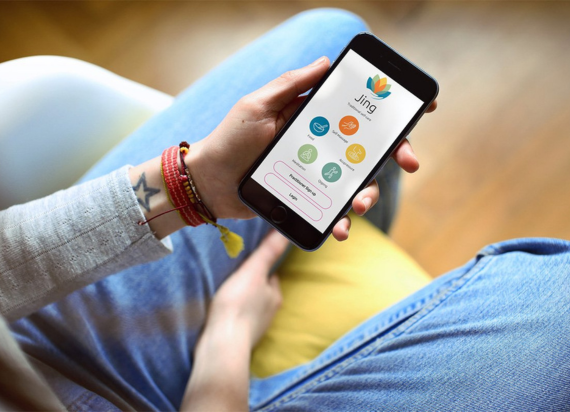
You receive practical guidance via the Jing App, at no extra cost.
In Chinese Medicine, a health concern is not viewed in isolation. The body, emotions and physiological functions are interconnected and continuously influence one another.
Treatment therefore focuses not only on relieving symptoms, but also on understanding the imbalances that may contribute to the development or persistence of your concerns.
By considering the relationship between organs, meridians, emotions and lifestyle, we can offer more individualised care aimed at supporting balance, well-being and quality of life.
"The journey of a thousand miles begins with one step". Chapter 64 of the Tao Te Ching, Lao Tzu
WHAT CAN I DO FOR YOU
Meet the treatments

Common Questions
Who is Ancestral Therapy Care for?
The practice supports adult women. During the intake, we assess whether the approach is suitable for your situation.
Does acupuncture hurt?
Generally speaking, no. Certain people, with a lot of skin sensitivity linked to a certain intolerance with needles, may have some kind of sensation. However, such a sensation seems to have more psychic than physical background.
How many appointments will I need?
This depends on the person, the concern and the goal. After the intake, we discuss an initial proposal and review progress regularly.
Can I seek support for menstrual or menopause concerns?
Yes. Menstrual health, hormonal changes, perimenopause and menopause are important areas of the practice.
What about during IVF or ICSI?
Acupuncture may be used as complementary support for wellbeing, relaxation and stress management. Fertility treatment remains under the direction of the medical team.
Can I attend during pregnancy?
This depends on your concern and stage of pregnancy. Always say if you are or may be pregnant; treatment will be adapted.
Can acupuncture be combined with medical care?
Yes, in many situations acupuncture can be complementary. Do not stop treatment or medication without consulting the responsible professional.
Should I stop medication or supplements?
Do not stop prescribed medication on your own. Bring an up-to-date list of medication, supplements and herbs to the intake.
How should I prepare?
Have a light meal beforehand, wear comfortable clothing and avoid alcohol shortly before the appointment.
How might I feel afterwards?
Some people feel relaxed or tired; others notice no immediate change. Contact the practice if you have a reaction that concerns you.
What is the Jing app?
It is a tool for receiving personalised self-care guidance between appointments at no extra cost.
Do I need a doctor referral?
No, you do not need a medical referral to perform any type of complementary therapy. However, during your treatment, we can see that your complaint also requires the attention of the general practitioner and / or specialist. In such a case, we advise you to make an appointment with your regular doctor.
What are integrative / holistic / complementary / alternative therapies?
Integrative / holistic / complementary / alternative therapies start from the principle of treating the human being as a whole. (Therapy, from the Greek therapeia means to reestablish, to treat; Holistic, from the Greek holos to mean whole, everything). Taking into consideration beyond the physical, emotional, mental, energetic and spiritual aspects of each individual. This approach aims to treat the person and not a complaint / illness, aims to promote health and well-being, and understands that physical discomfort originates from an energy imbalance, which can be linked to mental, emotional and / or spiritual. Another important aspect of this approach is that they work on self-knowledge and self-responsibility. This is done through various techniques, such as: aromatherapy, chromotherapy, reiki, dowsing, chakra alignment, phytotherapy, art therapy, dance therapy, geotherapy, among others in order to enhance the treatments. The choice of techniques will be supported by the therapist's affinity and suitability to the patient's profile and needs.
What types of integrative and complementary therapies are most recognized, including by WHO (World Health Organization)?
They are:
Acupuncture
Anthroposophy
Apitherapy
Aromatherapy
Art Therapy
Ayurveda
Biodanza
Bioenergetics
Family constellation
Chromotherapy
Circular Dance
Phytotherapy
Geotherapy
Hypnotherapy
Homeopathy
Laying on of hands (Reiki)
Meditation
Music therapy
Naturopathy
Osteopathy
Ozone Therapy
Chiropractic
Reflexotherapy
Reiki
Shantala
Flower Remedies Therapy
Thermalism
Yoga
Are there others besides these?
Yes, they are: Apometry, Biodecoding, Crystallotherapy, Electronic Healing, Pranic Healing, EFT - Emotional Liberation Technique, Iridology, Magnified Healing, Microphysiotherapy, Memory Regression, for example.
What are the benefits of integrative / holistic / complementary / alternative therapies?
Integrative, Holistic or Complementary Therapies aim at homeostasis in all levels of existence (physical, mental, emotional and spiritual). Each one with its particularities, but in general they propose to stimulate the process of self-knowledge and consequently promote an improvement in the quality of the patient's relationship with himself, with others and with the planet.